Busy schedules mean many families eat on the go or in front of a screen. Yet cooking and eating together is one of the most effective ways to build healthy eating habits that last. When children help wash, chop and stir, they become curious about new foods, and shared meals give everyone a chance to slow down and talk.
Why it works
People of all ages are more likely to try food they have helped prepare. Cooking at home also gives you control over salt, sugar and portion sizes, and makes it easier to add vegetables, whole grains and lean proteins. Regular family meals are linked with better nutrition, healthier weight and stronger family bonds.
Jobs for every age
Young children can rinse vegetables, tear lettuce and stir cold ingredients. Older children can measure, crack eggs, grate cheese and follow simple recipes. Teenagers can take charge of a dish or plan a meal. Give each person a job they can manage safely and praise the effort, not just the result.
Keeping it simple
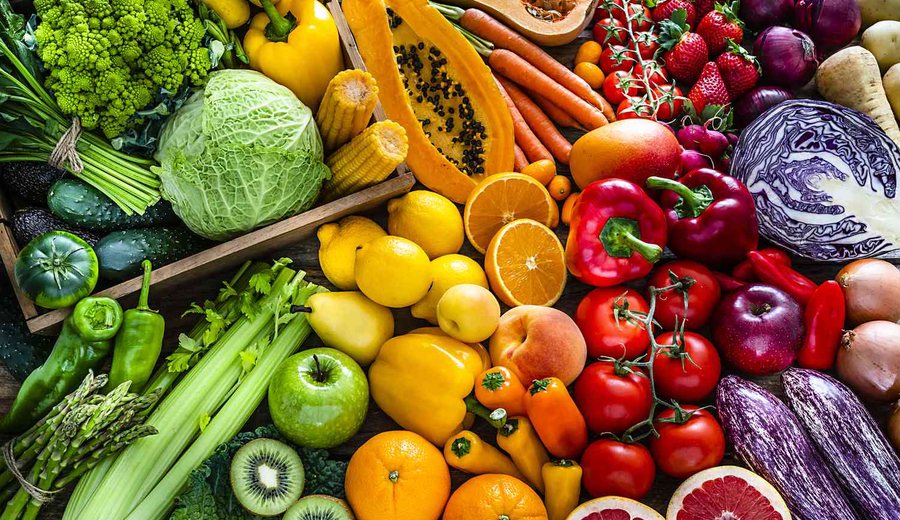
Healthy family cooking does not need to be complicated. Plan a few easy meals for the week, keep a stocked pantry of beans, grains and frozen vegetables, and make extra portions for lunch the next day. Build each plate around colourful vegetables, a source of protein and a whole grain.
Easy meals to make together
These family favourites are simple and nourishing:
- Build-your-own wraps with crunchy vegetables
- Homemade vegetable soup with crusty bread
- Sheet pan chicken with roasted vegetables
- Whole grain pasta with a tomato and bean sauce
- Fruit and yogurt parfaits for dessert
Expert tip: Turn off screens during meals and keep the conversation light. Eating slowly and paying attention helps everyone notice when they are comfortably full.
Looking for family-friendly meal ideas or help with a special diet? Our wellness and nutrition team would love to help.
Book Appointment